
Understanding how modern laser technology can treat different types of varicose veins and improve your leg health
Varicose veins are more than just a cosmetic concern. For many people, they cause aching, heaviness, swelling, itching and discomfort that can interfere with everyday activities. Left untreated, significant venous disease may progress to skin discolouration, inflammation and, in more advanced cases, venous leg ulcers.
The good news is that treating varicose veins no longer necessarily involves traditional surgery, large incisions or a lengthy recovery.
One of the most effective and versatile treatments available today is Endovenous Laser Ablation (EVLA), a minimally invasive procedure that allows vein specialists to treat the underlying cause of many varicose veins with precision.
What makes EVLA particularly valuable is its ability to be adapted to different patterns of venous disease, different veins and individual patient needs.
What Exactly Is Endovenous Laser Ablation?
To understand how EVLA works, it helps to understand why varicose veins develop.
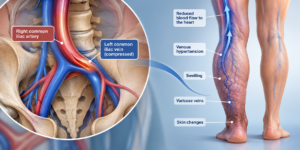
Healthy leg veins contain tiny one-way valves that help blood travel back towards the heart. When these valves become weakened or damaged, blood can flow backwards and pool in the superficial veins. This condition, known as venous reflux, increases pressure within the veins and contributes to the development of varicose veins.
EVLA addresses this underlying problem.
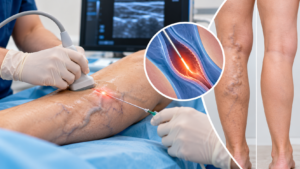
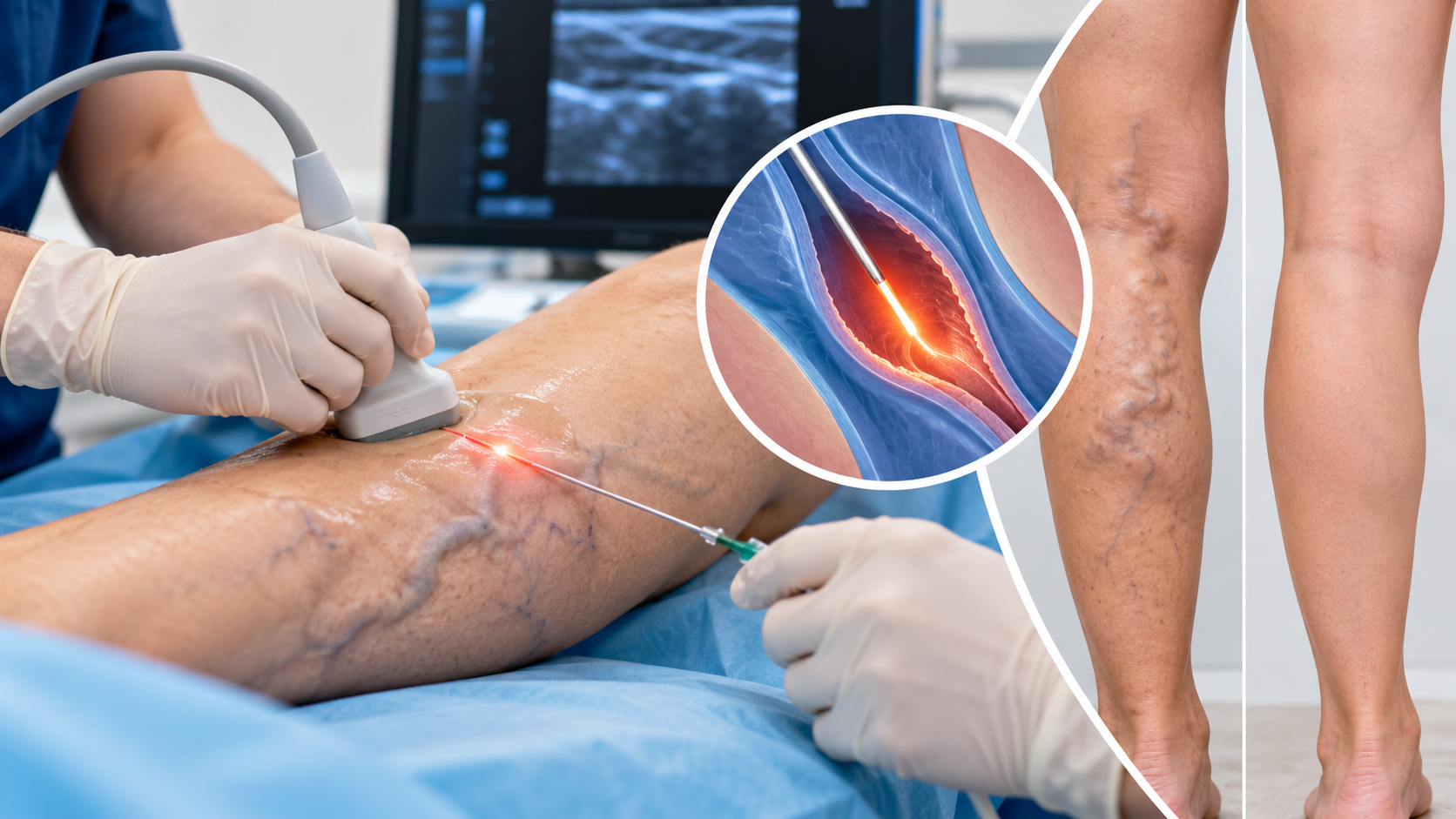
Using ultrasound guidance, your vein specialist introduces a fine laser fibre into the affected vein through a tiny puncture in the skin. Controlled laser energy is then delivered along the vein, gently heating its walls and causing the vein to close.
Once the unhealthy vein has been sealed, blood naturally redirects through healthier veins.
Importantly, closing a malfunctioning superficial vein does not compromise your circulation. In appropriately selected patients, it helps eliminate the abnormal backward flow that contributes to symptoms.
The Versatility of EVLA: More Than One Vein, More Than One Problem
One of the greatest advantages of endovenous laser treatment is that it is not limited to a single vein or a single presentation of varicose vein disease.
Every patient’s venous anatomy is different. Some people develop prominent veins along the inner thigh, others experience bulging veins behind the knee or down the calf, while some have more complex patterns involving multiple superficial veins.
EVLA can be adapted to treat several important sources of venous reflux.
1. Treating Different Veins Throughout the Leg
EVLA can be used to treat reflux in several major superficial veins, including:
Great saphenous vein: A common source of varicose veins affecting the inner thigh and calf.
Small saphenous vein: Often associated with varicose veins behind the knee and along the back of the calf.
Accessory saphenous veins: Additional superficial veins that can contribute to prominent varicosities, particularly around the front or inner thigh.
By identifying precisely which veins are malfunctioning, your specialist can target the source of the problem rather than simply treating the visible veins on the surface.
Not every vein is suitable for laser treatment, however. Vein size, position, tortuosity and proximity to nerves all influence the safest and most effective treatment choice.
2. Suitable for Different Degrees of Venous Disease
Another advantage of EVLA is its role in managing different stages of chronic venous disease.
For some patients, treatment is primarily about relieving uncomfortable symptoms such as aching, heaviness and swelling.
For others, venous reflux may already be contributing to skin pigmentation, venous eczema or more advanced changes around the ankle.
In appropriately selected patients, EVLA can form an important part of treating these more advanced manifestations by addressing the underlying superficial venous reflux.
This is why varicose vein treatment should never be regarded as purely cosmetic. Improving abnormal venous circulation may also help protect long-term leg health.
3. Combining EVLA With Other Treatments
One of the aspects I particularly value about EVLA is how well it can be incorporated into an individualised treatment plan.
While EVLA is highly effective at closing malfunctioning superficial trunk veins, it does not necessarily eliminate every visible varicose vein.
Some patients also have smaller, twisted or bulging branch veins that require additional treatment.
Depending on the findings, EVLA may be combined with:
Ultrasound-guided foam sclerotherapy: An injectable treatment used to close selected remaining abnormal veins.
Ambulatory phlebectomy: A minimally invasive technique that removes prominent surface varicose veins through tiny skin openings.
Further targeted treatment: Where additional refluxing veins need attention.
These treatments may sometimes be performed during the same appointment or arranged in stages.
This flexibility allows us to develop a treatment strategy tailored to your venous anatomy, symptoms and goals.
4. An Option for Some Recurrent Varicose Veins
Patients sometimes ask me, “I’ve already had varicose vein treatment in the past. Can laser treatment still help me?”
In certain circumstances, the answer is yes.
Varicose veins can recur after previous surgery or other procedures. This may happen because previously untreated veins develop reflux, because a treated vein reopens or because new abnormal venous pathways develop.
EVLA may be an option when ultrasound identifies a suitable refluxing vein that can safely accommodate the laser fibre.
However, recurrent varicose veins often require particularly careful assessment, and other treatments may be more appropriate depending on the source of the recurrence.
Minimal Disruption to Your Everyday Life
Versatility is not only about which veins EVLA can treat. It is also about how well the procedure can fit into a patient’s lifestyle.
Unlike traditional vein stripping surgery, EVLA can usually be performed as a day procedure under local anaesthetic.
This means:
No large surgical incisions.
General anaesthesia is usually unnecessary.
Most patients can walk shortly after treatment.
Many people resume normal daily activities relatively quickly.
Recovery is generally shorter than with traditional vein stripping surgery.
You may experience temporary bruising, tenderness or a pulling sensation along the treated vein. Your specialist may also recommend compression stockings and regular walking during recovery.
Although EVLA is generally well tolerated, it is still a medical procedure. Potential complications include inflammation, temporary numbness or nerve irritation, skin burns and, rarely, deep vein thrombosis. Your specialist should explain your individual risks before treatment.
Is EVLA Right for Everyone?
Despite its versatility, EVLA is not the best treatment for every patient or every type of vein.
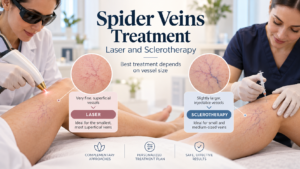
For example, very small spider veins usually require a different approach. Similarly, veins that are particularly twisted, extremely superficial or close to important nerves may be better managed using alternative techniques.
The most important first step is a comprehensive duplex ultrasound examination.
This specialised scan allows us to map your superficial and deep venous circulation, assess the direction of blood flow and identify exactly where the faulty valves are located.
With this information, we can determine whether EVLA, another treatment or a combination of procedures is most appropriate for you.
Treating the Cause, Not Just the Appearance
When patients visit a vein specialist, they often focus on the bulging veins they can see.
But the visible veins may be only part of the problem.
The real objective of modern varicose vein treatment is to identify and correct the abnormal venous reflux responsible for their development.
This is where endovenous laser ablation offers such an important advantage.
By precisely targeting the malfunctioning veins, EVLA can help relieve symptoms, improve the appearance of affected legs and, in suitable patients, address venous disease before further complications develop.
Of course, treatment cannot guarantee that new varicose veins will never appear. Venous disease can progress over time, and ongoing assessment may sometimes be necessary.
Final Thoughts: The Right Treatment for the Right Vein
As a vein specialist, I believe successful varicose vein treatment is not simply about choosing the newest technology. It is about understanding the individual patient’s venous circulation and selecting the most appropriate treatment.
The true strength of endovenous laser ablation lies in its precision, adaptability and ability to address different patterns of superficial venous reflux with minimal disruption to everyday life.
Whether you are experiencing painful varicose veins, persistent leg heaviness, swelling or recurrent vein problems, you may have more treatment options than you realise.
If your varicose veins are causing discomfort or affecting your quality of life, consider arranging an assessment with an experienced vein specialist.
A detailed clinical examination and duplex ultrasound scan can help determine whether endovenous laser ablation is the right solution for you.
Healthy legs start with understanding what is happening beneath the surface.
Medical Disclaimer
This article is intended for general educational and informational purposes only and should not be considered a substitute for professional medical advice, diagnosis or treatment.
Endovenous Laser Ablation (EVLA) may not be suitable for everyone. Treatment suitability, outcomes and recovery times vary depending on individual venous anatomy, medical history and the severity of venous disease. All medical procedures carry potential risks and complications.
A comprehensive clinical assessment, including duplex ultrasound examination, is essential to determine the most appropriate treatment for your condition.
The accompanying images are for illustrative purposes only and may not accurately represent the procedure or individual treatment outcomes.
Always consult a qualified vein specialist or healthcare professional for personalised advice regarding your varicose veins.