
Thoracic Outlet Syndrome (TOS) and Pectoralis Minor Syndrome are related conditions where the nerves and sometimes the blood vessels passing to the arm can become compressed, leading to pain, numbness, weakness or altered arm function.
Detailed history, examination and vascular ultrasound
Tailored to your specific findings and goals.
Experienced team in complex vascular and neurovascular management
Conservative and interventional options when appropriate
TOS and Pectoralis Minor Syndrome can cause overlapping symptoms, but involve compression at different anatomical sites.
The most common type involving compression of the brachial plexus nerves. It can cause pain, numbness, tingling, weakness or heaviness in the neck, shoulder, arm or hand.
Compression of the subclavian vein can reduce blood flow, potentially causing arm swelling, a feeling of heaviness, visible veins or in some cases blood clots.
Less commonly. Arterial TOS involves compression of the subclavian artery. May affect blood flow in the arm, leading to symptoms such as arm fatigue, coldness or changes in skin colour.
TOS can be caused by a combination of anatomical, lifestyle and activity-related factors including:
• Narrow thoracic outlet or anatomical variations (e.g. cervical rib)
• Repetitive overhead movements or heavy lifting
• Previous injury or trauma to the neck, shoulder or collarbone
• Postural factors and muscle tightness
• Scarring or changes after a blood clot (venous TOS)

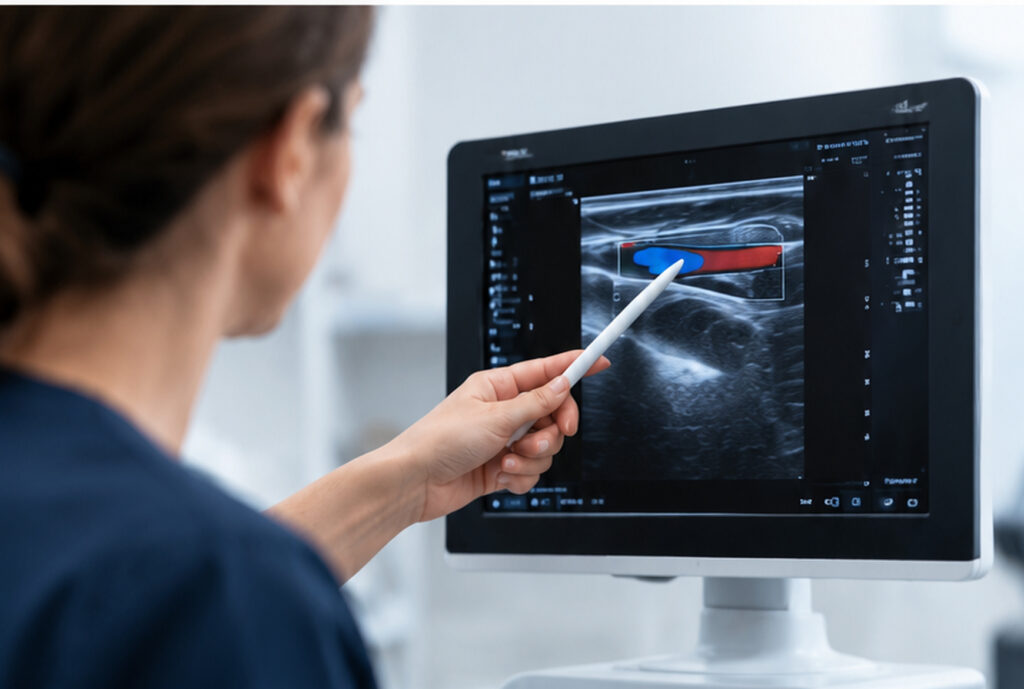
• Detailed clinical history and physical examination
• Vascular ultrasound (duplex) to assess blood flow and compression
• Additional imaging (e.g. X-ray, CT or MRI) when required
• Assessment for associated conditions such as upper limb DVT or cervical rib
At Laurel Clinical, our assessment considers these alternative explanations. We also provide management of relevant associated conditions and TOS mimickers where appropriate, including targeted treatment and coordinated rehabilitation.
We review your symptoms, and conduct advanced examination techniques with ultrasound support.
MRI or other tests may be considred when clinically appropriate.
We explain the results, draft a suitable management and any referral options.
Treatment depends on the type and severity of your symptoms. We develop a personalised plan based on your diagnosis, lifestyle and goals.
- Activity modification
- Physiotherapy or posture correction
- Pain management
Ultrasound guided injection ( where appropriate) and management of venous compression or blood clots.
For select cases, we work closely with surgeons for first rib resection or other procedures when conservative treatments are not effective.
Yes. Scapular dyskinesia can cause shoulder blade pain, neck discomfort, muscular fatigue and arm heaviness that resemble some symptoms of neurogenic TOS. However, persistent numbness, tingling or neurological weakness requires assessment for potential nerve-related conditions.
Yes. Altered scapular movement can coexist with TOS and may contribute to abnormal mechanical loading around the shoulder girdle. Identifying both problems can be important when planning treatment.
Normal investigations do not always exclude neurogenic TOS, but they also make it important to consider alternative explanations. A clinical assessment may identify shoulder-girdle dysfunction, cervical spine conditions or peripheral nerve problems.
Yes. We assess TOS mimickers and provide management where appropriate. Depending on the condition, this may involve conservative care, targeted interventions, rehabilitation planning or referral to allied health and specialist services.
No. Many patients with neurogenic TOS are initially managed conservatively. Surgical treatment is considered selectively, depending on the diagnosis, severity, response to treatment and evidence of neurological or vascular compromise.
Sudden arm swelling, marked discolouration, a cold or pale hand, severe sudden pain or rapidly developing weakness requires urgent medical assessment. These symptoms can indicate a significant vascular or neurological problem.
A member of our team will be in touch soon. Please, allow 24 hours to receive a response to your online form submission.

Something isn’t Clear?
I will be more than happy to answer all of your questions.