Calf pain that repeatedly occurs during running or exercise can have muscular, bone, nerve or vascular causes. Laurel Clinical provides structured assessment of exertional leg pain to identify the likely cause and determine whether further imaging, vascular assessment or specialist referral is required.
EXPERT CLINICAL CARE |
ADVANCED IMAGING |
PERSONALISED TREATMENT
Quick answer
Why does my calf hurt when I run?
Recurrent calf pain during running or exercise may arise from muscle or tendon overload, bone stress, nerve irritation, chronic exertional compartment syndrome or a vascular cause. Assessment depends on the timing, location and nature of your symptoms, how consistently they are reproduced with activity, your recovery, and any associated symptoms.
SYMPTOMS
Common ways the pain can feel
Tight, aching or cramping
Often in the calf, sometimes in the thigh, the pain builds with exercise and eases with rest
Heavy or Swollen
A feeling of heaviness or fullness in the leg, particularly during or after activity.
Burning, tingling or numbness
Unusual sensations that may affect the calf, foot or thigh, sometimes in a specific area.
Pain at a predictable distance
Symptoms that consistently appear at a similar distance, time or workload.
We start with the circulation-
without assuming the circulation is the only cause.
Laurel clinical is a vein clinic and vascular focused clinic. We assess whether a vascular condition may be contributing to your exercise-related symptoms, and, when the findings do not explain the whole picture, we consider other possible causes and organise appropriate referral or further investigation.
Possible causes of exertional leg pain
Vascular causes
√ Arterial flow limitation
√ Popliteal artery entrapment
√ Endofibrosis ( especially for athletes)
√ Venous disease
Non-Vascular causes
√ Muscle or tendon injury
√ Chronic exertional compartment syndrome
√ peripheral nerve irritation
√ Lumbar spine or referred pain
How we assess exertional leg pain
We take a structured, evidence-based approach to determine the cause of your symptoms and develop an appropriate plan.
01
Pattern & history
We take a detailed history. including timing, distance, speed, recovery and whether the pain is reproducible.
02
Clinical Examination
Assessment of your legs, circulation, and relevant neurological features.
03
Circulation and vascular assessment when indicated
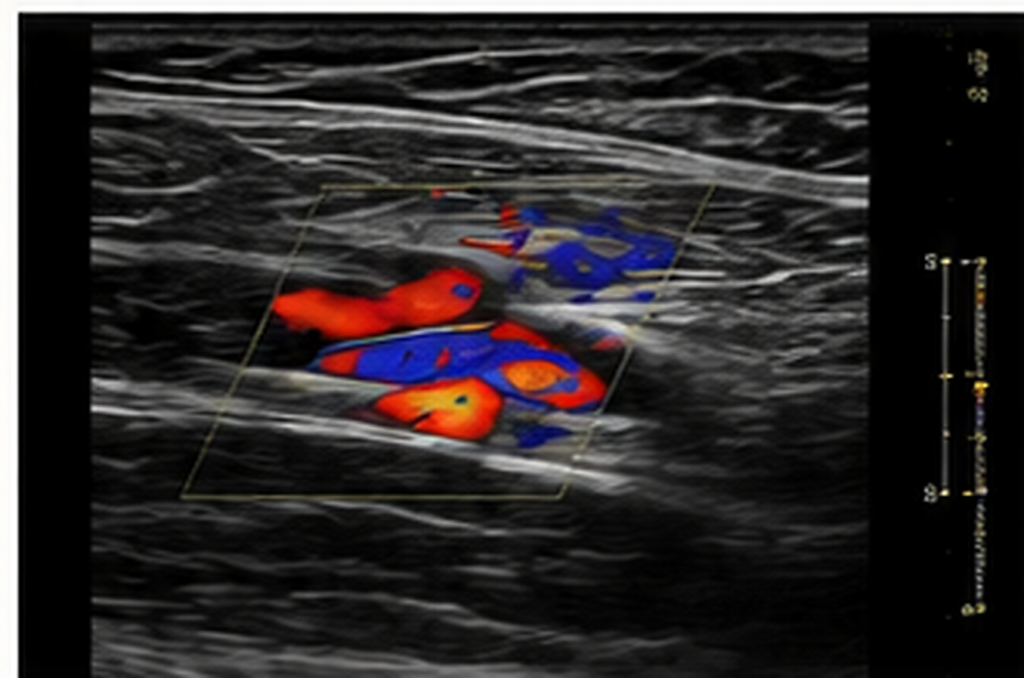
We examine pulses, look for venous signs and may perform targeted vascular ultrasound where appropriate.
04
Targeted imaging, referral or management plan
Based on our findings, we arrange further imaging, and a tailored management plan.
When circulation deserves a closer look
Features that may suggest a vascular cause for exercise-related leg pain include:
√ symptoms that are consistently reproduced by exercise
√ Pain that appears at a similar distance, time or workload
√ Heaviness, tightness or swelling in the leg
√ Colour or temperature change in the leg or foot
√ Reduced or altered pulses ( on examination)
√ symptoms that are not explained by routine assessment
for runners, cyclists & active patients
"Everything feels normal until I exercise"
We understand how frustrating it can be when symptoms only appear during activity. Our aim is to identify whether a vascular problem may be contributing and to guide you to the most appropriate next steps.