Calf pain that repeatedly occurs during running or exercise can have muscular, bone, nerve or vascular causes. Laurel Clinical provides structured assessment of exertional leg pain to identify the likely cause and determine whether further imaging, vascular assessment or specialist referral is required.
EXPERT CLINICAL CARE |
ADVANCED IMAGING |
PERSONALISED TREATMENT
Quick answer
Why does my calf hurt when I run?
Recurrent calf pain during running or exercise may arise from muscle or tendon overload, bone stress, nerve irritation, chronic exertional compartment syndrome or a vascular cause. Assessment depends on the timing, location and nature of your symptoms, how consistently they are reproduced with activity, your recovery, and any associated symptoms.
What can cause exertional leg pain?
There are a number of musculoskeletal, neurological, vascular and other causes, including:
MUSCULOSKELETAL
01 Chronic exertional compartment syndrome
02 Tibial stress injury
03 Medial tibial Strees syndrome
04 Soleus/gastrocnemius pathology
05Tendinopathy
06 Referredpain
NEUROLOGICAL
01 Common fibular nerve entrapment
02 Tibial nerve pathology
03 Lumbar origin
VASCULAR
01 Popliteal artery entrapment
02 Peripheral Arterial Disease
03 Endofibrosis
04 Venous disease
05 DVT
How we assess exertional leg pain
We take a structured, evidence-based approach to determine the cause of your symptoms and develop an appropriate plan.
01
Pattern & history
we take a detailed nistory. including timing, distance, speed, recovery and whether the pain is reproducible.
02
Musculoskeletal and neurological examination
We assess the limbs, joints. muscles, nerves and functional movement to identify potential contributors
03
Circulation and vascular assessment when indicated
We examine pulses, look for venous signs and may perform targeted vascular ultrasound where appropriate.
04
Targeted imaging, referral or management plan
Based on our findings, we arrange further imaging, and a tailored management plan.
When vascular causes should be considered ?
In some cases, exertional leg pain can be related to a vascular cause, particularly when symptoms are consistently triggered by exercise and settle with rest
Conditions such as popliteal artery entrapment, endofibrosis, venous disease and DVT may present with exercise-related leg symptoms.
Features that may suggest a vascular contribution include pain or tightness reliably brought on by exercise, a feeling of heaviness, swelling, colour change, altered pulses or symptoms that are not explained by routine musculoskeletal assessment.
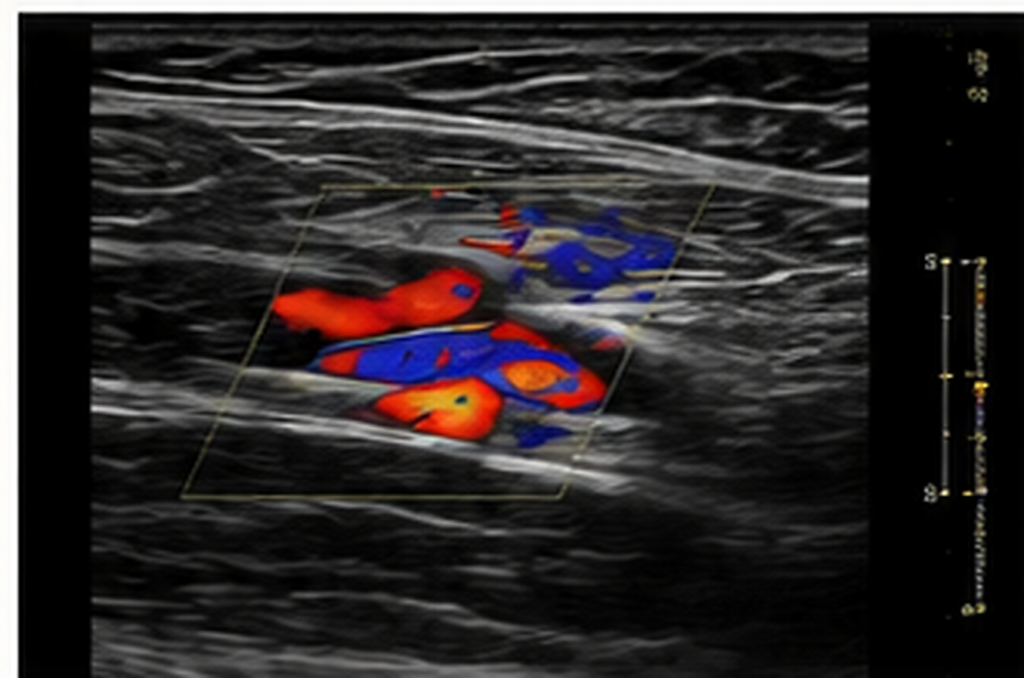
A focused clinical assessment and vascular imaging, such as duplex ultrasound, may be used when indicated.