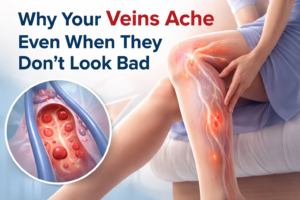

Have you ever felt that dull, nagging ache along your veins—even though when you look at your arms or legs, everything seems completely normal? No bulging, no discoloration, no dramatic signs that scream something’s wrong. And yet, the discomfort is real.
You’re not imagining it. Vein pain doesn’t always come with visible clues, and understanding why can be surprisingly complex. Our circulatory system works quietly in the background, and when something’s off, the body often whispers before it shouts.
When Pain Comes Before Appearance
Most people associate vein problems with what they can see: twisted varicose veins, spider veins, or swelling. But veins can be irritated, inflamed, or under strain long before they change how they look.
Pain without visible symptoms is often your body’s early warning system. It’s telling you that blood flow, pressure, or surrounding tissues aren’t functioning as smoothly as they should.
Common Reasons Your Veins May Ache
1. Poor Circulation
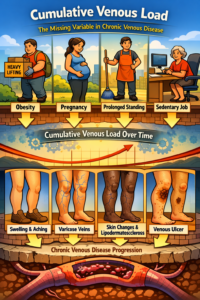
When blood doesn’t flow efficiently back to the heart, pressure builds up inside the veins. This can happen from prolonged sitting or standing, dehydration, or lack of movement. Even if veins don’t appear swollen, the internal pressure alone can cause aching, heaviness, or throbbing.
2. Inflammation You Can’t See
Veins can become mildly inflamed due to stress, minor injury, or immune responses. This low-grade inflammation may not cause redness or warmth but can still irritate nerve endings around the vein, creating discomfort.
3. Muscle Tension Pressing on Veins
Tight muscles—especially in the calves, thighs, neck, or forearms—can compress nearby veins. This restricts blood flow and leads to a deep, sore sensation that feels like vein pain, even though the vein itself looks normal.
4. Early Venous Insufficiency
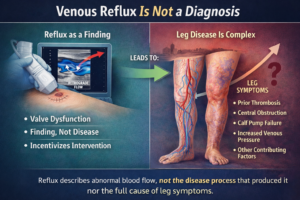
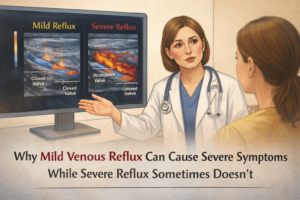
Chronic venous insufficiency doesn’t start with bulging veins. In early stages, faulty valves inside the veins allow blood to pool slightly. This can cause aching, fatigue, or a heavy feeling long before anything becomes visible on the skin.
5. Dehydration
When you’re dehydrated, your blood becomes thicker and harder to circulate. Veins must work harder, which can lead to discomfort—especially in the arms and legs.
6. Hormonal Changes
Hormones influence vein elasticity. Pregnancy, menstrual cycles, menopause, or hormonal medications can all make veins more sensitive, achy, or reactive without altering their appearance.
7. Nerve-Related Pain That Mimics Vein Pain
Sometimes the pain isn’t coming from the vein at all. Irritated nerves can create sharp, burning, or aching sensations that follow the path of veins, making it easy to misidentify the source.
Why It Feels Worse at Night
Many people notice vein pain more in the evening or when lying down. That’s because:
Blood has pooled throughout the day
Muscles are no longer actively pumping blood upward
You’re more aware of bodily sensations when resting
What felt manageable during the day can suddenly become very noticeable at night.
When Should You Be Concerned?
Occasional vein aching is usually harmless. But you should seek medical advice if the pain:
Becomes persistent or severe
Is accompanied by swelling, warmth, or redness
Occurs suddenly and intensely in one limb
Worsens over time instead of improving
These could indicate more serious circulatory or inflammatory conditions.
What You Can Do to Relieve Vein Discomfort
Small daily changes can make a big difference:
Move often: Short walks improve circulation
Stay hydrated: Proper hydration supports blood flow
Stretch regularly: Especially legs and neck
Elevate your legs: Helps blood return to the heart
Avoid prolonged sitting or standing
Wear supportive footwear
Compression socks can also help—even if your veins look perfectly normal.
Listening to the Quiet Signals
Your body doesn’t always send dramatic warning signs. Sometimes it starts with subtle aches, a sense of heaviness, or discomfort that’s easy to dismiss.
Vein pain without visible changes doesn’t mean something serious is guaranteed—but it does mean your body is asking for attention. The sooner you listen, the easier it is to restore balance and comfort.
If your veins ache, even when they don’t look bad, trust that sensation. Pain is information—and your body is usually right.