
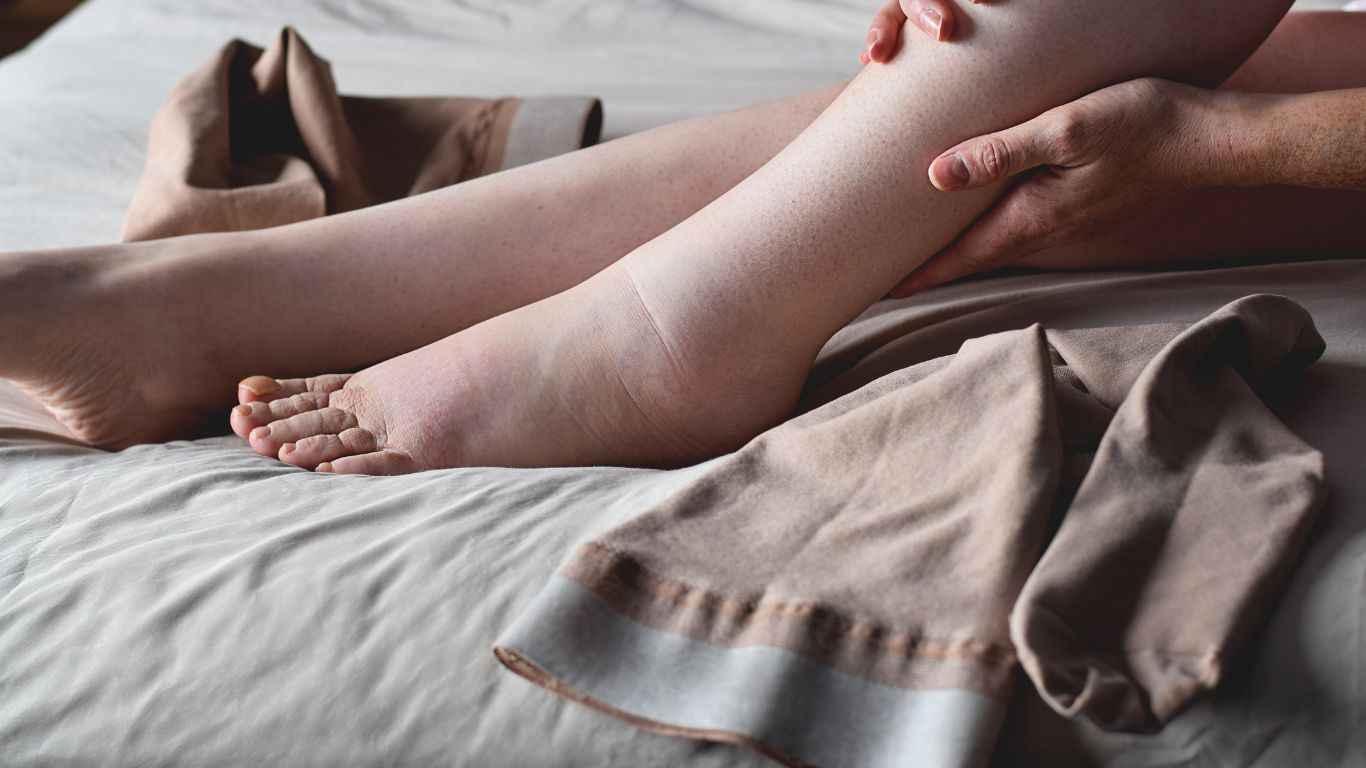
lady presenting swollen legs despite compression stocking

Lymphedema & Leg Swelling

Advanced Assesment for lymphoedema, venous swelling & mixed circulation disorders

Leg swelling is common — but the cause is often not simple.
Many patients live with swelling for years because they were told:

“It’s just lymphoedema,”

“It’s probably venous,”

“Your scans are normal,” or

“There’s nothing to do.”

At Laurel Clinical, we specialise in understanding why swelling happens by assessing the entire circulation system — veins, lymphatics, connective tissue, and compression points — using advanced doctor-performed duplex ultrasound.

Our goal is to uncover the correct diagnosis and create a personalised plan to improve comfort, mobility & long-term skin health.


What is Lymphedema

Lymphoedema occurs when the lymphatic system is unable to drain fluid effectively, leading to persistent swelling, heaviness, tightness, skin thickening and an increased risk of infections such as cellulitis. It may be primary, meaning the lymphatic vessels developed differently from early life, or secondary, developing later as a result of surgery, trauma, cancer treatments, recurrent infections, long-standing venous disease, obesity or significant venous reflux or obstruction. Importantly, swelling is not always purely lymphatic—many people experience a mixed venous–lymphatic disorder, where both systems contribute to the symptoms. This mixed pattern requires a tailored diagnostic and treatment approach rather than assuming lymphoedema alone is responsible.

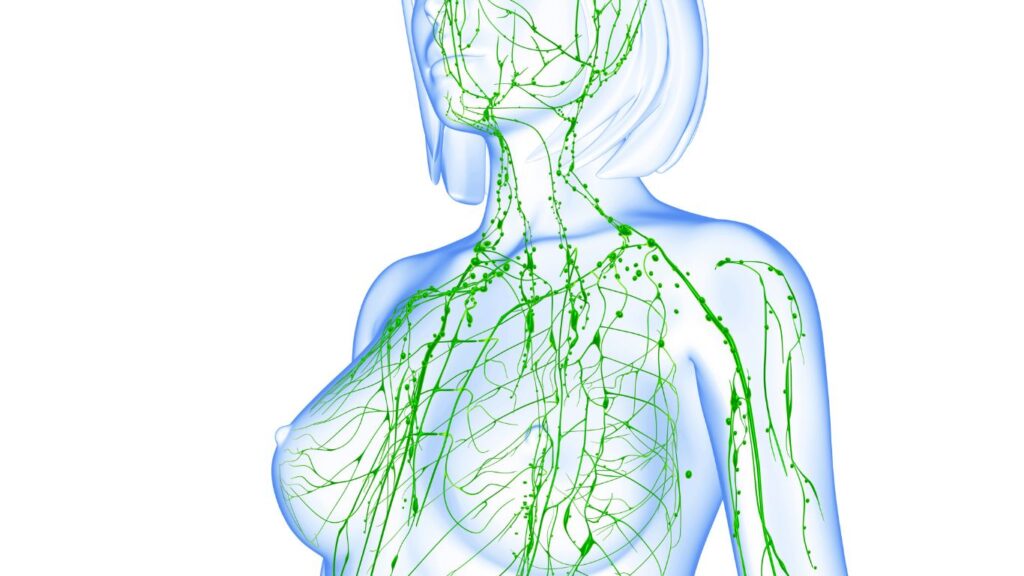
lymphatic anatomy

The Importance of Identifying the TRUE Cause of Swelling

Leg swelling may be due to:

Venous insufficiency

Leaky valves, reflux, surface varicose veins.

Venous obstruction or compression

May–Thurner, iliac vein narrowing, popliteal compression, pelvic congestion.

Lymphatic dysfunction

Primary or secondary lymphoedema.

Mixed venous–lymphatic disease

Very common — requires combined management, not a one-size-fits-all plan.

Connective tissue & hypermobility

Vein and tissue laxity causing pooling and swelling.

Systemic causes

Cardiac, kidney, thyroid, or medication-related fluid retention (we identify and refer appropriately).
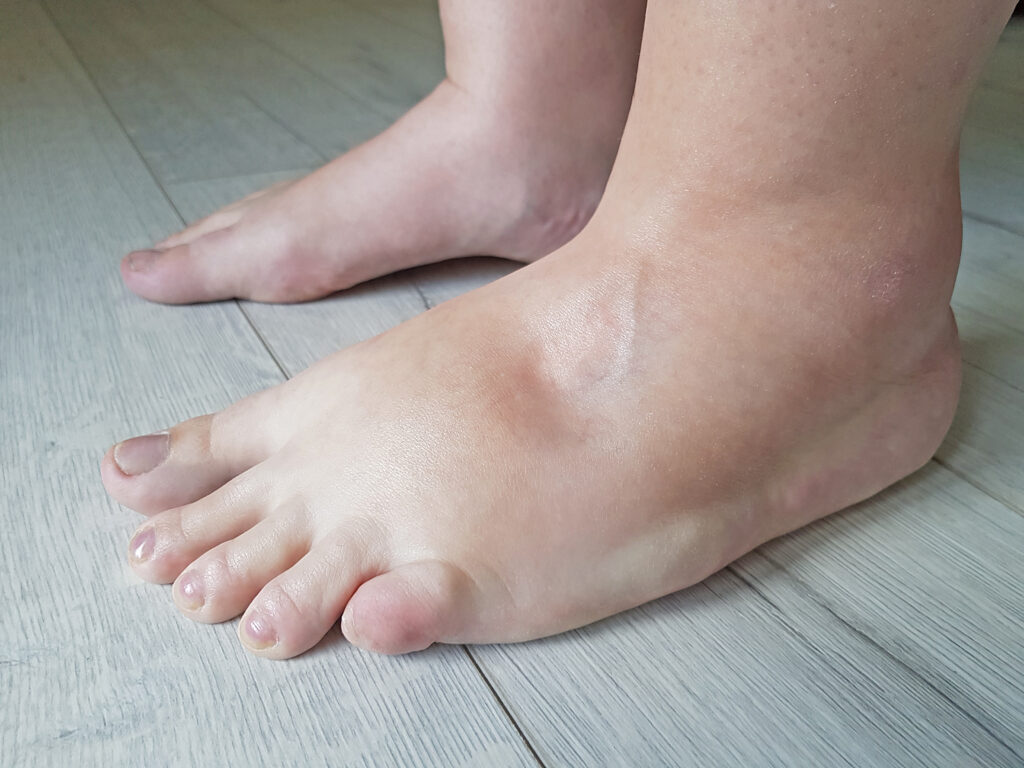
Swollen,Feets,Because,Water,Retention,In,The,Body

Signs Your Swelling May Be Lymphatic

  • Swelling that persists in the morning

  • A feeling of tightness or heaviness

  • Skin that becomes thick, firm or “spongy”

  • Shoes and clothing become tighter as the day goes on

  • Skin creasing or “buffalo hump” at the ankle

  • Only partial response to compression stockings

  • History of cellulitis

But lymphoedema often coexists with venous disease, which is why ultrasound is essential.

Our Diagnostic Process

Every patient undergoes our Circulation Mapping Assessment

Lymphatic Function Assessment

Based on physical examination, limb patterning, skin changes and functional testing.


Comprehensive History & Symptom Analysis

We identify patterns, triggers, and progression — swelling is rarely random.

Doctor-Performed Duplex Ultrasound

This is your biggest differentiator.
We assess:

  • superficial venous reflux

  • deep venous reflux

  • venous obstruction or compression

  • collateral circulation

  • calf pump function

  • tissue characteristics suggestive of lymphatic overload

Most clinics do not combine venous + lymphatic interpretation.
We do — and it changes everything.

Integrated Diagnosis

Swelling is categorised as:

  • Venous-dominant

  • Lymphatic-dominant

  • Mixed venous–lymphatic

  • Compression-related

  • Hypermobility-associated pooling

This determines the treatment — not guesswork.

Compassion first. Science always.

Treatment at Laurel Clinical

Treatment for Venous Causes

If venous reflux or obstruction is found:

  • endovenous laser ablation (EVLA)

  • ultrasound-guided sclerotherapy

  • targeted treatment of surface veins

  • management of pelvic congestion or compression findings

  • referral for endovascular intervention when appropriate

Treating the vein problem often reduces lymphatic overload.

Treatment for Lymphatic Causes

For primary or secondary lymphoedema:

  • lymphatic massage / manual lymphatic drainage

  • compression garments (custom sizing if needed)

  • bandaging for advanced cases

  • skin care to prevent infection

  • exercise and movement therapy

We coordinate with lymphoedema therapists when needed.

Treatment for Mixed Venous–Lymphatic Disease

Mixed disease requires:

  • targeted venous treatment

  • lymphatic management

  • compression strategies tailored to tissue elasticity

  • strengthening of calf pump function

  • long-term monitoring

Swelling in Hypermobility / Connective Tissue Disorders

Patients with hypermobility may experience:

  • pooling

  • vein collapsibility

  • compression susceptibility

  • valve dysfunction

  • tissue fragility

Management includes:

  • modified compression

  • gentle treatment techniques

  • staged intervention

  • long-term wellness planning

Why Choose Laurel Clinical for Lymphoedema & Swelling?

We diagnose the entire circulation system — not just veins.
Your ultrasound is performed by the doctor treating you.
We specialise in complex and mixed swelling patterns.
We understand hypermobility-related circulation issues.
You receive a personalised, long-term plan — not generic advice.

Many patients come to us after being told “nothing can be done.”
Often, there is a cause — it simply hasn’t been found yet.

Who We Help

  • Persistent ankle or leg swelling

  • Swelling worse by end of day

  • Post-pregnancy or post-surgery swelling

  • Swelling that did not respond to vein treatment elsewhere

  • Hypermobility patients with pooling or heaviness

  • People with recurrent cellulitis

  • Patients seeking a true diagnosis, not assumptions

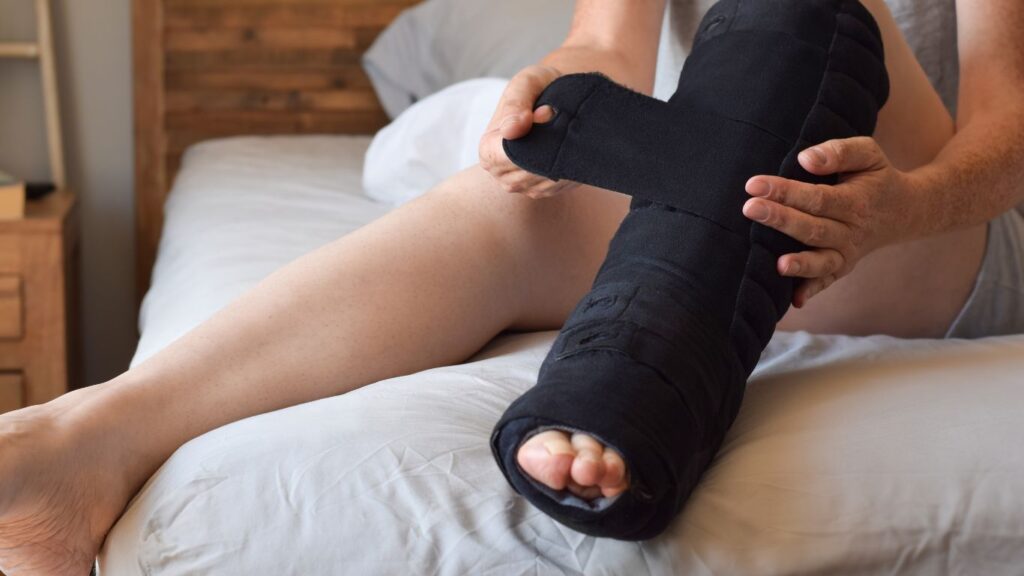
moon boot left leg

Frequently asked questions

Is lymphedema curable?

Lymphedema is typically long‑term, but symptoms can be managed very effectively. With consistent care many people see less swelling, better comfort, and healthier skin

Both involve swelling. In phlebolymphedema, vein disease drives fluid overload that strains the lymphatics. We address both systems for lasting results.

Compression is a cornerstone of care. The type and schedule may change over time—our goal is to make it comfortable and sustainable.

All lymphedema is edema, but not all edema is lymphedema.

Edema is a general term for swelling that happens when fluid builds up in the body’s tissues. It can be caused by many things, such as heart, kidney, or liver problems, certain medications, or simply standing for long periods.

Lymphedema, on the other hand, is a specific type of edema. It happens when the lymphatic system—which normally drains fluid and helps fight infections—doesn’t work properly. This leads to a buildup of lymph fluid, most often in the arms or legs, and can cause long-term swelling that needs special care.

Contact us

We'd love to hear from you

Your form was successfully sent!

A member of our team will be in touch soon. Please, allow 24 hours to receive a response to your online form submission.

laurel clinical logo

Would you like to make a booking?

I’m Here To Assist You

Something isn’t Clear?
I will be more than happy to answer all of your questions.