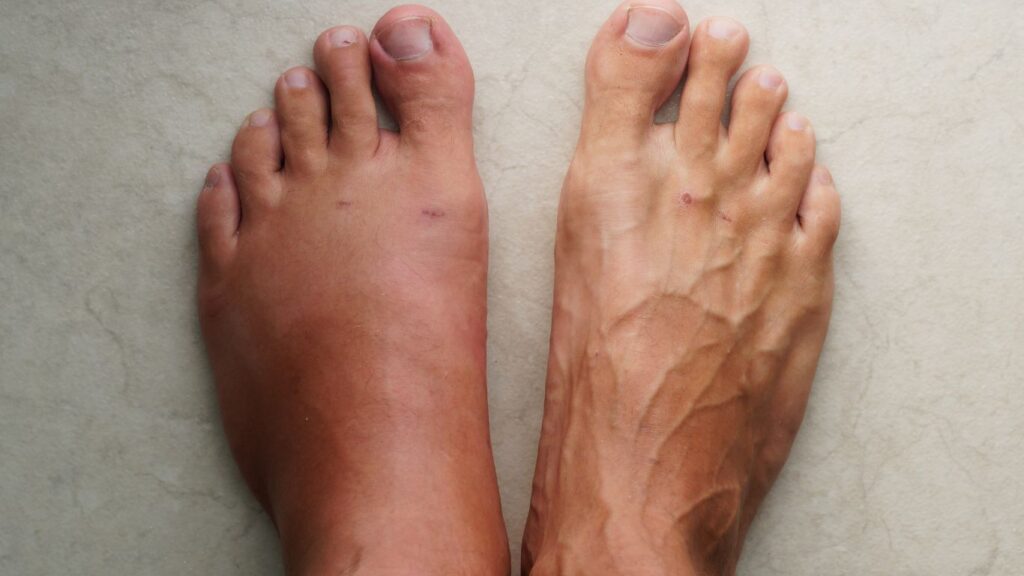
Persistent unilateral leg swelling, recurrent left-sided varicose veins, or symptoms following deep vein thrombosis may indicate iliac vein obstruction.
What is iliac vein obstruction?
liac vein obstruction occurs when blood flow from the leg back to the heart is restricted at the level of the pelvic veins. This can result from compression, scarring after thrombosis, or structural narrowing.
A common example is May-Thurner syndrome, where the left iliac vein is compressed by the right iliac artery. This frequently explains otherwise unexplained left-sided venous disease.
Obstruction at this level may lead to chronic venous hypertension, recurrence after treatment, or persistent leg swelling.
Who should be assessed?
You may benefit from assessment within this pathway if you have:
unilateral leg swelling
recurrent one side varicose veins
unexplained recurrence after previous vein treatment
symptoms following previous deep vein thrombosis
leg heaviness not explained by superficial reflux alone
These features often indicate disease above the groin that standard lower-limb duplex ultrasound may not fully detect.
Our role as your diagnostic gateway
Our clinic provides structured assessment to identify patients who may benefit from advanced pelvic venous imaging or intervention.
During your visit, we:
review symptom history and prior treatments
assess risk factors for proximal obstruction
perform targeted duplex ultrasound assessment
identify patterns suggestive of iliac outflow limitation
determine whether cross-sectional venous imaging is indicated
arrange referral to specialist vascular or interventional radiology services where appropriate
This ensures patients are directed efficiently toward definitive investigation and management.